Avionics and Astrionics: State-of-the-Art Technologies and Future Perspectives In 2026
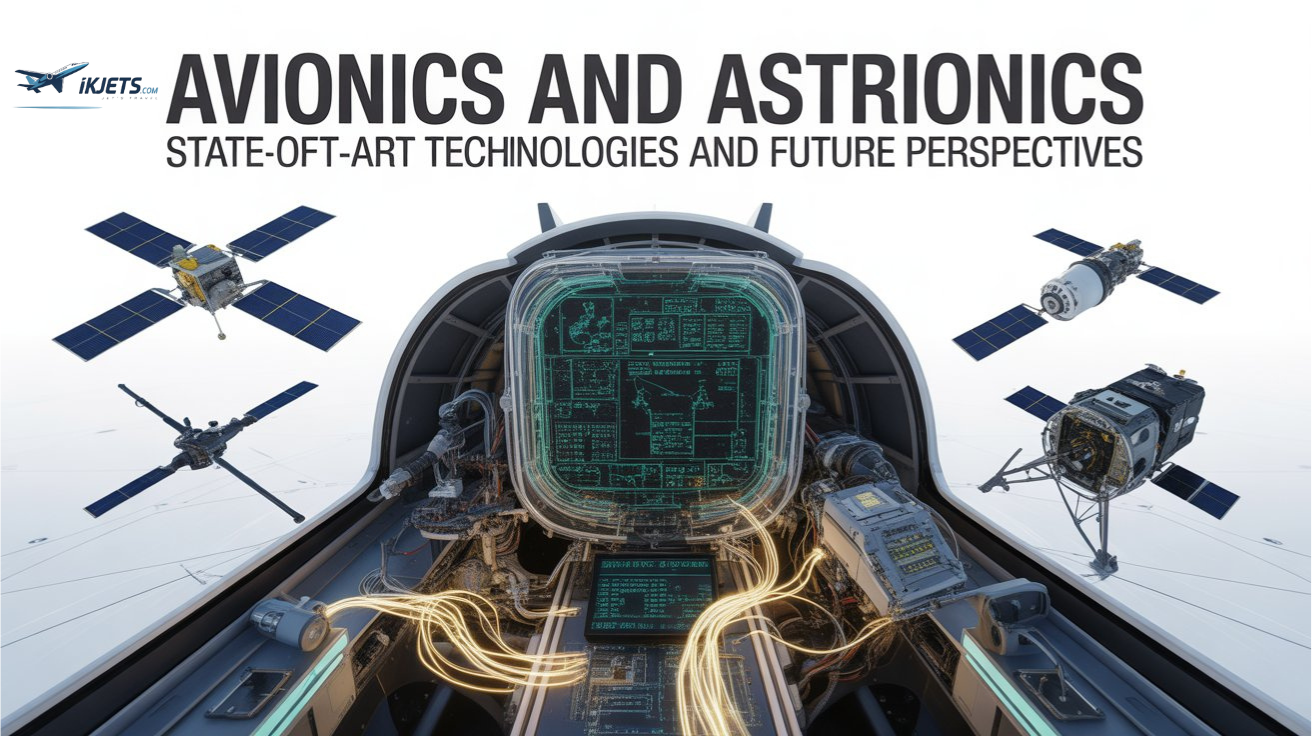
Summary : Avionics and Astrionics are the backbone of modern aerospace systems. They control how aircraft and spacecraft operate safely and efficiently. Every system inside an aircraft or spacecraft relies on flight control systems and communication and surveillance technology to perform essential tasks. The evolution of aircraft electronics evolution has turned planes and satellites into intelligent, responsive machines. This article will explore the core concepts, technologies, and future directions in avionics and astrionics.
Understanding these systems is crucial for anyone interested in aerospace engineering. Modern autonomous aerospace systems rely on complex networks of sensors and software. Navigation and guidance systems allow aircraft to travel accurately, while spacecraft depend on space electronics to function in extreme conditions. From flight safety to advanced space missions, trusted autonomy in aerospace ensures operations run reliably and securely.
Table of Contents
What Is Avionics? (Definition and Core Functions)
Avionics refers to the electronic systems used in aircraft for communication, navigation, flight control systems, and monitoring. These systems include instruments on the flight deck, sensors for detecting environmental conditions, and automated systems for stabilizing flight. Flight deck instrumentation provides pilots with real-time data for decision-making, increasing safety and efficiency.
Modern AI applications in avionics and astrionics enhance aircraft performance. They integrate with air traffic management systems to optimize routing and reduce delays. Engineers now focus on reconfigurable aerospace systems to allow avionics to adapt to new challenges and technologies while maintaining safety and dependability standards.
What Is Astrionics? (Space Systems Explained)
Astrionics involves electronic systems for spacecraft, satellites, and deep-space missions. These systems must function reliably under extreme temperature changes, radiation, and vacuum conditions. Space electronics play a key role in communication, navigation, and mission-critical operations. Sensors and radars ensure precise measurements, and spacecraft design optimization improves system efficiency.
Spacecraft rely on orbital and deep-space missions technologies to maintain trajectory and control. Advanced autonomous aerospace systems can adjust their flight path, monitor onboard systems, and ensure flight velocity and altitude stability. Environmental effects on avionics are carefully considered to prevent malfunctions and maintain reliable operation.
Key Differences Between Avionics and Astrionics
The primary difference between avionics and astrionics lies in their operational environment. Avionics systems function within Earth’s atmosphere, facing weather, turbulence, and air traffic. Astrionics systems operate in space, requiring radiation-hardened electronics, autonomous control, and extreme reliability. Both systems use navigation and guidance systems, but the design priorities differ.
Trusted autonomy in aerospace is more critical in astrionics due to the inability to physically repair spacecraft. Avionics prioritize safety and dependability standards for human passengers, while astrionics emphasize long-term mission success and space situation awareness. Engineers must account for high-frequency and low-frequency dynamics in both environments to maintain stability and performance.
Evolution of Avionics and Astrionics Systems
Aircraft electronics evolution has moved from simple analog systems to fully digital, software-defined, and AI-powered systems. Early avionics provided basic flight information, while modern reconfigurable aerospace systems offer adaptive functionality and predictive maintenance. Nonlinear dynamic systems and advanced extended state observer (ESO) methods help manage uncertainties in flight and space operations.
AI applications in avionics and astrionics have transformed the field. Autonomous aircraft can adjust to changing weather, and spacecraft can navigate autonomously during orbital or deep-space missions. The integration of sensors and radars for navigation ensures precise guidance, while disturbance rejection and control precision techniques maintain stability in complex environments.
Core Components of Modern Avionics Systems
Modern avionics systems include flight computers, sensors, actuators, and flight deck instrumentation. These components manage navigation, communication, and control tasks in real-time. Communication and surveillance technology ensures constant contact with air traffic management systems, improving safety and efficiency.
Morphing aircraft control techniques are used to adapt control surfaces dynamically. Engineers use second-order sliding mode control and extended state observer (ESO) to stabilize flight in turbulent conditions. High-frequency and low-frequency dynamics are monitored to maintain consistent performance across diverse flight conditions.
Core Components of Modern Astrionics Systems
Astrionics systems rely on space electronics, power management, radiation-hardened computers, and autonomous navigation. These systems maintain spacecraft operations in extreme conditions. Spacecraft design optimization ensures that electronics, propulsion, and sensors work seamlessly.
Advanced systems include autonomous aerospace systems capable of decision-making and error correction. Environmental effects on avionics such as radiation or thermal stress are minimized using redundant systems. Flight velocity and altitude stability are maintained through precise navigation and guidance systems.
Navigation, Guidance, and Control (NGC) Technologies
Navigation, guidance, and control systems provide accurate positioning and stable flight for aircraft and spacecraft. INS, GPS, and star trackers ensure precision. Morphing aircraft control and advanced flight control systems allow vehicles to adapt to environmental changes.
Engineers focus on disturbance rejection and control precision to handle unpredictable conditions. High-frequency and low-frequency dynamics are monitored closely. AI-enhanced autonomous aerospace systems improve navigation efficiency and reliability.
Role of Artificial Intelligence in Aerospace Systems
AI applications in avionics and astrionics enable autonomous decision-making, predictive maintenance, and enhanced fault detection. Aircraft and spacecraft can respond to environmental changes in real-time. AI systems analyze data from sensors and radars for navigation to improve accuracy.
Trusted autonomy in aerospace allows systems to operate safely without human intervention. AI algorithms optimize flight velocity and altitude stability, monitor nonlinear dynamic systems, and ensure adherence to safety and dependability standards.
Communication Systems in Aircraft and Spacecraft
Modern aircraft and spacecraft use communication and surveillance technology such as RF systems, satellite links, and laser communication. These systems transmit real-time data for navigation, control, and mission management.
Air traffic management relies on these communication networks. Urban air mobility technologies benefit from improved connectivity, allowing autonomous aircraft to navigate complex airspaces safely.
Safety, Reliability, and Certification Standards
Safety and dependability standards like DO-178C and DO-254 ensure that avionics and astrionics systems operate reliably. Certification processes involve rigorous testing, redundancy checks, and compliance with global aviation regulations.
Cybersecurity is a growing concern. Cybersecurity in aerospace ensures that autonomous aerospace systems are protected against threats. Engineers design systems with secure protocols to maintain mission safety.
Challenges in Avionics and Astrionics Engineering
Designing avionics and astrionics involves addressing aerodynamic uncertainties, radiation exposure, thermal stress, cost, and complexity. Environmental effects on avionics require careful planning, and engineers use reconfigurable aerospace systems to adapt to new challenges.
Nonlinear dynamic systems present unique control challenges. Advanced techniques like second-order sliding mode control and extended state observer (ESO) help mitigate risks and ensure disturbance rejection and control precision.
Emerging Trends and Next-Generation Technologies
Emerging technologies include digital twins, software-defined avionics, and reusable spacecraft. These innovations improve reliability, efficiency, and mission adaptability. Urban air mobility technologies are becoming more prevalent, introducing new challenges and opportunities for autonomous aerospace systems.
AI applications in avionics and astrionics continue to advance, enabling predictive maintenance, autonomous navigation, and enhanced space situation awareness. Engineers are integrating these systems for safer and more reliable operations.
Future of Avionics and Astrionics
The future includes urban air mobility technologies, Mars missions, and fully autonomous flight. Trusted autonomy in aerospace will allow aircraft and spacecraft to make complex decisions independently. Engineers are focusing on sensors and radars for navigation and spacecraft design optimization for long-term missions.
Next-generation avionics and astrionics will combine AI, communication and surveillance technology, and robust flight control systems. These systems will ensure safety, efficiency, and adaptability in complex and unpredictable environments.
Career Opportunities and Research Directions
Aerospace engineers, researchers, and students can pursue careers in avionics and astrionics, focusing on AI integration, spacecraft design, and autonomous systems. Skills in navigation and guidance systems, nonlinear dynamic systems, and cybersecurity in aerospace are highly valuable.
Research is exploring morphing aircraft control, extended state observer (ESO) technologies, and space situation awareness. Professionals can contribute to advancing urban air mobility technologies and orbital missions.
Conclusion:
Avionics and Astrionics are essential for safe and advanced flight. They ensure flight velocity and altitude stability, reliable communication and surveillance technology, and robust flight control systems. Future aerospace systems will integrate AI, autonomous operation, and enhanced spacecraft design optimization, driving exploration, innovation, and safe air and space travel.
FAQs
What is the main difference between avionics and astrionics?
Avionics operates within Earth’s atmosphere, while astrionics is designed for space. Each system faces unique environmental challenges and reliability requirements.
How do AI applications improve aerospace systems?
AI enhances flight control systems and autonomous aerospace systems, allowing real-time decision-making and predictive maintenance for aircraft and spacecraft.
What are the key components of modern avionics systems?
Modern avionics include flight computers, flight deck instrumentation, sensors, actuators, and communication networks for navigation and safety.
Why is cybersecurity important in aerospace?
Cybersecurity in aerospace protects critical systems from threats, ensuring safety, trusted autonomy, and uninterrupted operation of aircraft and spacecraft.
What are the future trends in avionics and astrionics?
Future trends include urban air mobility technologies, reusable spacecraft, AI integration, and improved space situation awareness for autonomous operations.