U.S. Health Care System Explained: Costs, Insurance, Policy, and Future Challenges in America
Summary : Health care in America affects every family, worker, and community across the nation. The U.S. health care system combines private insurance, public programs, hospitals, and policy decisions that shape everyday medical access. Costs continue rising, insurance rules keep changing, and patients often struggle to understand how the system truly works.The U.S. health care system shapes how millions receive treatment, insurance, and long-term care.
This guide explains the American health care system using simple language, real facts, and practical context. It explores the U.S. medical system structure, policy forces, and everyday realities of health care in America.The article focuses on U.S. health care system costs, insurance access, reforms, and the future. It also examines public programs, private coverage, and how the U.S. hospital and insurance system affects families, workers, and communities across the nation.
Table of Contents
Introduction to the U.S. Health Care System
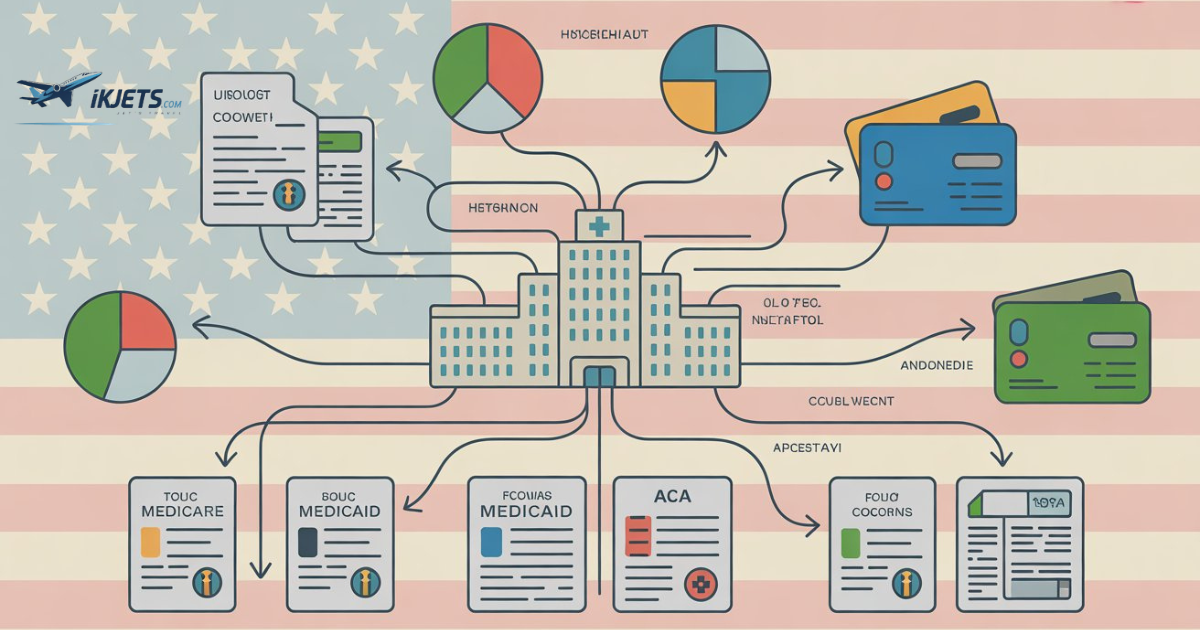
The U.S. health care system mixes public programs and private providers. Health care in America depends on insurance access, employer plans, and federal support. The system operates through hospitals, insurers, and public programs like Medicare and Medicaid coverage.
Many people rely on employer-sponsored insurance USA while others use the health insurance marketplace USA. This design influences health system efficiency, shapes population health outcomes, and creates differences in care quality across regions and income levels.
Major Challenges Americans Face with Health Care Costs
Rising medical bills drive anxiety across the American health care system. U.S. health care system costs remain higher than most developed nations. Families struggle with premiums, deductibles, and treatment charges that grow every year.
The pressure from rising medical costs in America increases healthcare spending vs outcomes concerns. Experts question whether higher spending improves care or worsens medical debt crisis USA conditions for low-income households and rural communities.
Difficulty Affording Medical and Prescription Drug Expenses
Many patients delay treatment due to cost barriers. Prescription drug prices USA and out-of-pocket medical expenses continue to increase, especially for chronic illness and specialist care.
This trend affects chronic disease management USA and reduces preventive health services use. Families choose between bills and medication which worsens long-term health and raises emergency care spending nationwide.
Health Insurance Coverage in the United States: Current Reality
Insurance access shapes survival and stability in the U.S. medical system structure. Employer-sponsored insurance USA remains the main coverage source while Medicare and Medicaid coverage support seniors and low-income groups.
Still, gaps remain due to insurance risk pooling limits and provider reimbursement models complexity. These gaps influence health care market competition and determine how quickly patients receive treatment.
Insurance Coverage Snapshot
| Coverage Type | Population Impact | Key Role |
|---|---|---|
| Employer Plans | Majority of workers | Primary private coverage |
| Medicare | Seniors & disabled | Federal support |
| Medicaid | Low-income groups | Safety net program |
| Marketplace Plans | Individuals | Subsidized insurance |
The Uninsured and Underinsured Population in America
Uninsured Americans statistics show millions still lack full coverage. Many people fall into the underinsured population USA due to high deductibles and partial benefits.
This situation intensifies healthcare access inequality and worsens socioeconomic health inequality. Communities with unstable jobs face delayed treatment and higher hospitalization risks over time.
Health Care Debt and Financial Burden on U.S. Families
Medical bills remain a major financial threat in health care in America. The cost of health insurance premiums and treatment often leads to long-term debt.
Financial pressure drives the medical debt crisis USA and weakens patient protection laws USA effectiveness. Families cut spending on food, housing, and education to pay hospital charges.
Public vs Private Health Insurance: Key Differences
Private vs public health insurance USA works through different funding and eligibility rules. Private plans rely on employers and individual payments while public programs depend on federal and state support.
Public coverage links to federal health programs and state health regulations USA. Private plans drive innovation but also influence insurance regulatory framework decisions across states.
National Health Insurance Debate in the United States
The national health insurance debate USA continues to shape policy discussions. Some experts support universal coverage while others prefer market-based reforms.
Policy leaders analyze healthcare policy analysis results and public health funding needs. The debate reflects concerns about access, affordability, and long-term sustainability.
Role of Policy Research, Polling, and Health Data
Data drives change across the U.S. public health programs. Researchers track spending, coverage, and patient outcomes to guide reform.
These insights support value-based care model planning and improve population health outcomes. Accurate research strengthens future U.S. health policy reforms and funding strategies.
Quality of Health Care vs Spending: Does More Money Mean Better Care?
High spending does not always guarantee better results. Studies comparing healthcare spending vs outcomes reveal mixed performance across hospitals and states.
The system faces hospital consolidation trends and uneven health system efficiency. Some areas show strong care quality while others struggle with staffing and resource gaps.
Profit Motives, Private Insurers, and Health Care Corporations
Profit influences decisions in the U.S. hospital and insurance system. Insurance companies and large providers shape pricing, access, and coverage rules.
Corporate expansion connects to health care market competition and changing provider reimbursement models. Critics argue that profits sometimes outweigh patient needs.
Health Care Reform Efforts and Government Programs
U.S. health policy reforms continue to reshape insurance access and patient rights. The Affordable Care Act impact expanded coverage and strengthened protections.
Reforms support federal health programs and align with public health funding priorities. Policymakers aim to reduce costs while improving care quality.
Access to Care, Inequality, and Long-Term Health Risks
Access differences shape long-term health outcomes. Rural health access America and urban health disparities create unequal treatment experiences.
These disparities connect to minority health outcomes USA and long-term care challenges. Communities lacking resources face delayed diagnoses and reduced life expectancy.
Future of U.S. Health Care: Technology, Policy, and Innovation
Technology reshapes the U.S. medical system structure. Telehealth adoption USA, AI in healthcare systems, and digital health transformation expand care access.
Innovation improves electronic health records adoption and supports remote patient monitoring. These tools help doctors deliver faster and more personalized treatment.
Solutions to Improve Coverage, Affordability, and Patient Protection
Experts recommend stronger patient protection laws USA and expanded insurance options. Policy reforms aim to lower premiums and improve access.
Long-term strategies support preventive health services, reduce out-of-pocket medical expenses, and improve health system efficiency nationwide. Future change depends on policy cooperation and sustained investment.
Conclusion
The U.S. health care system remains one of the most complex and expensive systems in the world. It offers advanced treatment and innovation yet struggles with affordability, inequality, and access gaps. Millions rely on employer coverage, public programs, and marketplace plans to manage care and financial risks.
Future progress depends on smarter policy, stronger patient protections, and better coordination between public and private sectors. Improving affordability, expanding coverage, and investing in prevention can transform health care in America into a system that supports every citizen more fairly and effectively.
FAQs
What makes the U.S. health care system different from other countries?
The American health care system relies heavily on private insurance and employer coverage. Many countries use national health programs with universal coverage and lower costs.
Why are U.S. health care system costs so high?
Rising medical prices, insurance administration, hospital charges, and prescription drug costs all contribute to higher spending compared with other developed nations.
Who qualifies for public health programs in the United States?
Programs like Medicare support seniors and people with disabilities. Medicaid helps low-income individuals and families based on state and federal eligibility rules.
What is the biggest challenge in health care in America today?
Affordability remains the biggest issue. Many people face high premiums, deductibles, and medical debt even when they have insurance.
Will technology improve the future of U.S. health care?
Digital tools, telehealth, and AI are improving diagnosis, monitoring, and access. These innovations may reduce costs and improve patient outcomes over time.